
SECURE CLOSURES.
SMOOTHER PRODUCTION.
TM Engineering assists with capping and lidding solutions for packaging lines, matching the equipment to the container and closure.
Whether you need to apply a bottle cap, fit a lid or assess a tray sealing process, the design begins with how the closure must be handled and secured.
DISCUSS CAPPING OR LIDDING →
DIFFERENT CLOSURES.
DIFFERENT MECHANISMS.
Screw caps, press-on lids and heat-sealed tray films require different mechanisms. These requirements need to be assessed individually rather than treating every closure in the same way.
SCREW
CAPS
A screw cap may require controlled tightening and reliable positioning before the closure is applied.
PRESS-ON
LIDS
Press-on lids require the correct seating force and stable container presentation.
TRAY LIDDING
& SEALING
Tray sealing depends on a compatible tray and sealing material together with controlled process conditions.
BUILD THE PROCESS
AROUND THE CLOSURE.
The bottle, lid, cap or sealing material determines how the product must be positioned, handled and secured through the machine.
BOTTLE
CAPPING
Capping arrangements for specified cap and bottle combinations.
INLINE / ROTARY
CONFIGURATIONS
Inline or rotary configurations assessed against the required production process.
LID
SEATING
Lid application and seating for compatible containers.
TRAY LIDDING
& SEALING
Tray lidding or sealing applications subject to pack and material assessment.
CONTAINER
POSITIONING
Product positioning and closure handling need to support repeatable application.
FILLING &
CAPPING
Container positioning, closure handling and integration with filling equipment can be considered as one process.
RELIABLE CAPPING STARTS
BEFORE THE CAP IS APPLIED.
Container stability, neck finish, closure dimensions and material tolerances all influence reliable operation.
Depending on the application, the machine may require cap feeding, product holding, tightening adjustment or closure-presence detection.
Changeover and cleaning access should be considered early. Samples and trials help establish the operating settings and checks needed to verify the finished closure.
SEE THE MACHINES
IN ACTION.
Explore TM Engineering capping, lidding and integrated packaging applications. Select any video to play it.
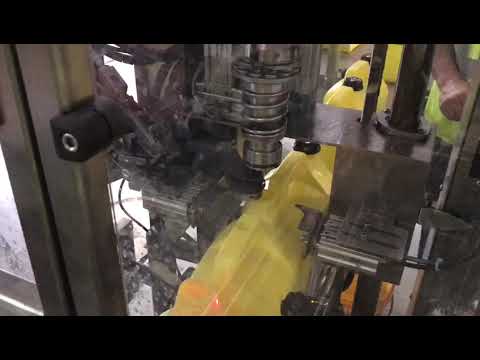
BOTTLE CAPPING
IN OPERATION.
START WITH THE
CONTAINER & CLOSURE.
Provide samples or drawings of the container and closure, your required output and the intended sealing or tightening requirements.
Tell us how products arrive at the machine and whether filling, labelling or inspection equipment must be integrated.
