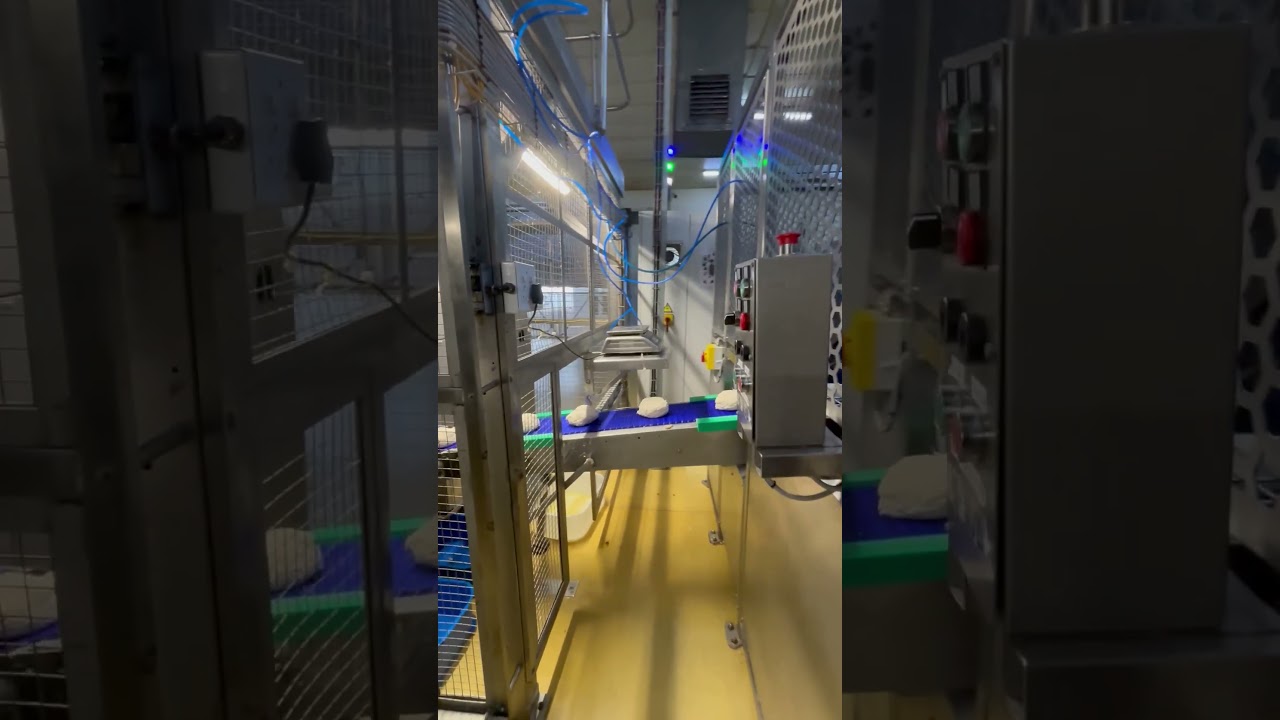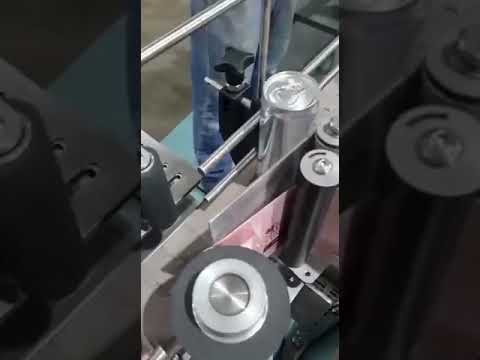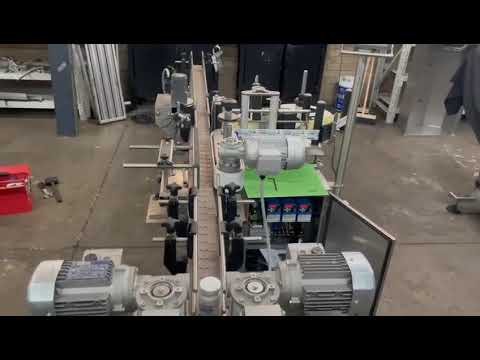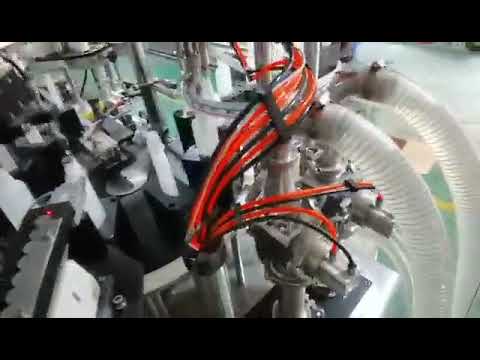
SAFETY HAS TO WORK
WHEN THE MACHINE DOES.
Machine safety is not simply about adding a sensor or emergency stop.
The safety system has to work with the machine's controls, operating sequence and real-world production environment.
TM Engineering assesses industrial machinery and engineers practical safety improvements that can be integrated into the existing electrical and control system.
UNDERSTAND THE RISK
BEFORE ENGINEERING THE FIX.
Every machine is different.
The first step is to understand how the equipment operates, how people interact with it and where potential hazards exist.
The assessment considers whether the machine's electrical and mechanical safety systems are appropriate for the way the equipment is actually being used.
From there, the required improvements can be identified and engineered into the machine.
Understand the machine, its operating sequence and how people interact with it.
Identify hazards, access points and safety conditions that need to be addressed.
Determine the electrical, control and mechanical changes required for the application.
WHEN A GUARD OPENS,
THE MACHINE NEEDS TO KNOW.
Practical machine safety depends on the control system responding correctly when a defined safety condition occurs.
SAFETY
SENSORS
Detect doors, guards and machine conditions.
GUARD & DOOR
INTERLOCKS
Prevent unsafe operation when protected areas are open.
SAFETY
CUT-OFFS
Stop machinery when a defined safety condition is triggered.
SAFETY CONTROL
PANELS
Integrate the required safety hardware into the machine's electrical system.
CONTROL-SYSTEM
MODIFICATIONS
Adapt the PLC, wiring or operating sequence where required.
MACHINE SAFETY
UPGRADES
Modernise the safety controls on existing production equipment.
MACHINE SAFETY
IN THE REAL WORLD.
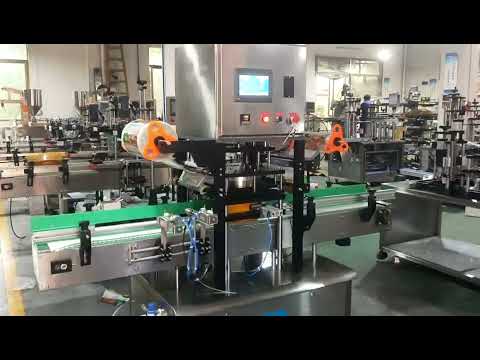
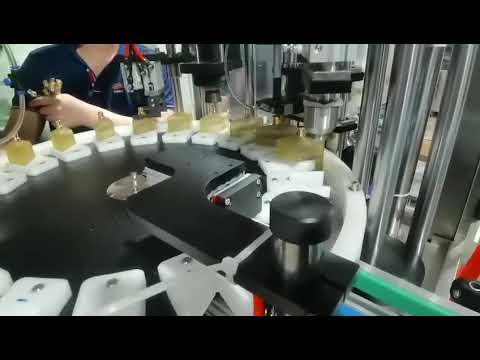
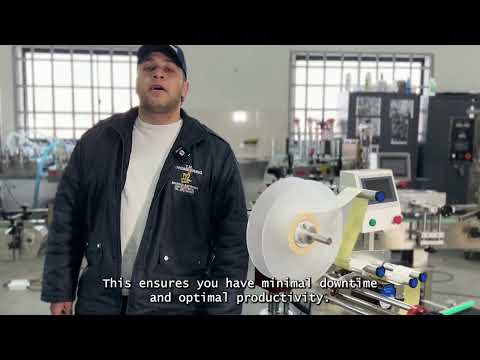
See TM Engineering's machine-safety, refurbishment and control-system work on real industrial equipment.